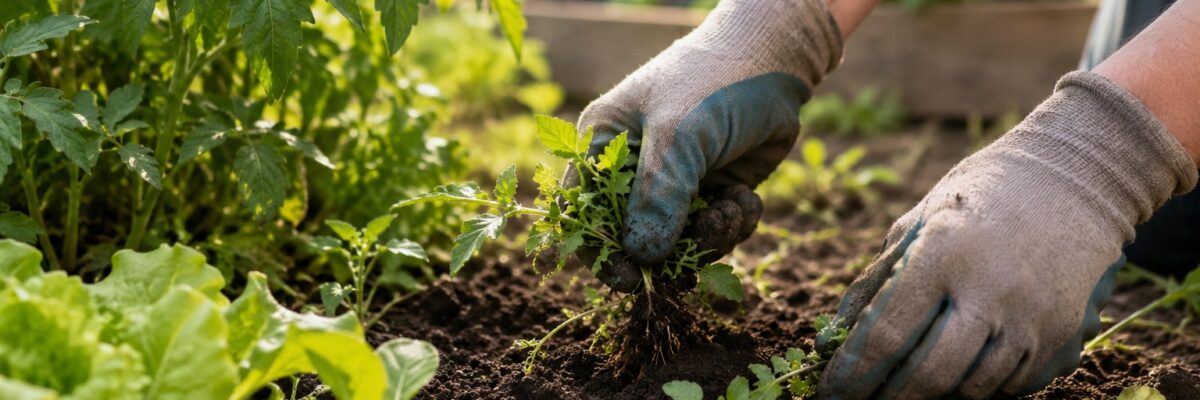
Keeping Your Garden Healthy: Practical Ways to Stop Unwanted Plants from Taking Over
In many gardens across Canada, the persistent return of weeds can quickly overshadow the beauty and productivity of carefully nurtured plants. Despite regular watering, pruning, and attention, invasive weeds often find a way to establish themselves, spreading rapidly and competing fiercely for nutrients, sunlight, and space. This challenge is not confined to any particular type of garden—whether ornamental flower beds, vegetable patches, or sprawling community plots, weeds remain a universal obstacle that tests the patience and skill of gardeners at every level.
The presence of weeds goes beyond mere aesthetics; unchecked growth can disrupt the health of desirable plants, reduce yields in food gardens, and contribute to soil degradation. Moreover, as many weeds are remarkably adaptable and prolific in seed production, they can quickly become a persistent problem, requiring increased effort and resources to control. Preventing weeds before they take hold is therefore a crucial step toward maintaining a vibrant and thriving garden environment.
Addressing weed growth effectively also aligns with broader ecological considerations. By reducing reliance on chemical herbicides and focusing on sustainable prevention methods, gardeners contribute to healthier soil ecosystems, protect beneficial insects, and promote biodiversity. Understanding how to create conditions that discourage weed establishment while supporting desirable plants is an essential part of responsible gardening. This practical approach not only saves time and labour but also fosters a balanced garden where plants can flourish without constant struggle against invasive species.
Understanding the problem: why weeds thrive in gardens
A few persistent seedlings in a vegetable patch are often the first sign that a garden is vulnerable to invasion. What many call weeds are simply plants growing where they are not wanted; their persistence owes as much to their biology as to the conditions gardeners create. Rapid growth cycles, prolific seed production and strong adaptability allow many species to outcompete cultivated plants for light, water and nutrients.
Several traits common to successful weeds explain their resilience and help inform control strategies. These include quick germination from shallow soil seed banks, the ability to regrow from root fragments, seeds that remain viable for years and flexible growth forms that tolerate disturbance. A short list of these features clarifies why eradication is difficult:
- High seed output and long lived seed banks that survive between seasons
- Fast growth and early reproduction that beat out slower crops
- Adaptability to a wide range of soil and light conditions
Human activity and local environment shape how aggressive weeds become. Soil disturbance from tilling or construction brings dormant seeds near the surface, creating ideal conditions for germination. Warm seasons with intermittent rain favour many invasive annuals while compacted or nutrient poor soils leave cultivated plants at a disadvantage. Common garden invaders vary by region: creeping groundcovers such as vinca in coastal areas, dandelions and clovers across temperate lawns, knotweed and certain grasses in disturbed urban lots, and bindweed in vegetable patches. Each species carries ecological consequences, from reduced biodiversity to altered soil structure.
Unchecked growth reduces yields in vegetable beds, shades out desirable perennials and alters the garden’s aesthetics. More subtly, heavy weed pressure can deplete soil moisture and nutrients, forcing gardeners to add more amendments and water, which perpetuates the cycle. Recognising the biological strengths of weeds and the environmental drivers that favour them is the first practical step toward prevention and long term management.
Preventive cultural practices: creating an favourable environment for weeds
Prevention begins with making the garden less hospitable to weed seedlings. Soil preparation that reduces the germination of weed seeds will pay dividends through the season. Solarisation, for example, uses clear plastic laid over moist soil for several weeks in summer to heat the soil and reduce viable seeds and pathogens. Minimal disturbance planting, where beds are carefully forked rather than aggressively tilled, helps avoid bringing deep seed banks to the surface.
Garden layout and plant selection also serve as frontline defences. Dense planting and ground covers reduce available light at the soil surface and suppress many weed seedlings before they become established. Companion planting can fill niches that would otherwise be colonised by weeds, and rotating crops in vegetable beds disrupts the lifecycles of species that favour particular crops or soil conditions.
- Soil preparation: solarisation, shallow cultivation and building healthy topsoil
- Design tactics: dense spacing, perennial borders and ground covers
Mulching remains one of the most transferable practices for both small gardens and larger plots. Organic mulches such as bark chips, straw or leaf mould both block light and add organic matter; they moderate soil temperature and moisture, which benefits crops while inhibiting weed seedlings. Landscape fabric or woven weed cloth provides a longer term physical barrier in paths and under permanent shrubs, though it requires careful installation and occasional maintenance. Gardeners often choose tools and materials—mulch, fabric, a soil thermometer for solarisation—that could be bought from general garden suppliers to put these practices into action.
Organic gardeners and small scale farmers frequently report that investing effort into bed preparation and cover cropping reduces weekly weeding time significantly. For many, the combination of improving soil structure, using living covers and applying mulch transforms weed control from constant battle to manageable maintenance.
Mechanical and physical weed control options
Physical removal remains the most immediate way to reduce weed pressure, and timing is a decisive factor. Hand pulling is most effective when plants are young and soil is moist; removing seedlings before they flower prevents replenishment of the seed bank. Hoes and stirrup tools work well on sunny days when uprooted weeds dry quickly and do not reestablish. For larger areas, tined tools and shallow cultivation can reduce competition without overturning deep soil layers.
There are several tool choices that suit different garden sizes and labour availability. A concise list helps match method to situation:
- Hand tools: trowels, weed forks and hori hori knives for targeted removal
- Hoes and rakes: quick surface control in beds and rows
- Powered tools: small tillers or cultivators for larger plots where deeper work is required
Flame weeders are an alternative used in paths and non planted areas; they kill above ground tissue with heat and prevent regrowth if applied repeatedly at young stages. Each tool has trade offs. Hand weeding is low cost and precise but labour intensive. Powered cultivators reduce physical effort but can bring buried seeds to the surface, necessitating further interventions. Flame control avoids chemical use but requires safety precautions and is not suitable near flammable materials or during dry spells.
Timing and frequency of mechanical control influence long term results. Consistent, short interventions to remove seedlings are often less disruptive and more effective than infrequent deep cultivation. For gardeners tracking labour, keeping a simple log of weeding time and the methods used can reveal which combinations produce the best balance between effort and lasting suppression, especially compared to the alternative of relying heavily on chemical controls.
Chemical and organic herbicides: when and how to use them responsibly
When other methods are insufficient, targeted chemical control can be part of an integrated strategy, but careful selection and application are crucial. Herbicides fall into broad categories: selective products target particular plant types, while non selective options affect most green plants they contact. There are synthetic formulations and organic alternatives, each with different efficacy profiles and environmental footprints.
Responsible use means thinking beyond immediate results. Best practices for application include choosing the right product type for the situation, reading and following label directions, treating weeds at susceptible growth stages and avoiding drift onto desirable plants. A short checklist clarifies safe application steps:
- Identify the weed and choose selective control where possible
- Apply when target plants are actively growing but before seed set
- Use protective gear and avoid spraying on windy days
Organic options such as vinegar based sprays, citric acid formulations and corn gluten meal offer alternatives for spot treatment and seed suppression. Corn gluten meal can reduce new seedling establishment when applied at the right moment, while contact sprays work best on annual seedlings rather than established perennials. Caution is needed with homemade vinegar solutions: higher concentrations can damage soil life and non target plants, and repeated application may harm soil structure.
Concerns about resistance and environmental impact are real. Overuse of the same mode of action can select for resistant populations, making future control harder. Runoff risk, effects on pollinators and local regulations should inform choices. Local extension services and horticultural advisors often recommend integrated approaches that use chemical tools sparingly and as a last resort, focusing instead on cultural and mechanical methods to reduce dependency.
Integrating strategies: building a sustainable weed management plan
A practical, long term programme draws on prevention, physical control and selective chemical use to match garden goals and available time. Regular observation is the backbone of any plan; noting which weeds appear when, where they emerge and which crops are most affected informs seasonal timing of interventions. This observational data becomes more useful when recorded, allowing adjustments year to year and making effort more efficient.
Start with a simple set of actions and expand as experience grows. A short staged plan might include the following steps:
- Prepare beds in spring with solarisation or shallow cultivation
- Apply mulch and plant dense, competitive varieties
- Remove seedlings by hand weekly and use spot treatments only when necessary
Community gardens and urban plots provide instructive examples of integrated approaches at work; many have reduced routine weeding by adopting consistent mulching, shared tool libraries for efficient mechanical control and volunteer schedules that catch weeds before seed set. These programs demonstrate measurable benefits: reduced labour per bed, healthier soil with higher organic matter and fewer repeated outbreaks of the same species.
Adaptability ensures the plan remains effective. Changing weather patterns, crop choices and the arrival of new invasive species require periodic reassessment. By keeping interventions targeted and proportionate, gardeners can protect biodiversity, reduce time spent on repetitive tasks and maintain productive, attractive spaces without relying on any single method as a cure all.
Keeping weeds in check: a practical perspective
Gardening is a dynamic process shaped by the ongoing interaction between plants, soil and environment. Accepting that weeds are part of this system encourages a mindset focused on balance rather than eradication. The most successful gardens are those where efforts are consistent and tailored, addressing weed challenges without excessive disruption to the soil or desirable plants. This approach values patience and observation, recognising that small, regular actions prevent larger problems from taking hold.
Practical weed management requires flexibility. Seasonal shifts, weather variability and changes in garden use often call for adjustments in strategy. What works well one year may need refinement the next, especially as new weed species emerge or existing ones adapt. Maintaining a low weed seed bank through timely removal and limiting seed spread supports long term control, while nurturing healthy crops and improving soil resilience reduces vulnerability.
Beyond the garden itself, considering the wider landscape can influence weed pressure. Neighbouring properties, nearby natural areas and local climate patterns all play a role in which species appear and how aggressively they establish. Staying informed about regional weed issues and sharing knowledge with fellow gardeners strengthens community resilience and encourages sustainable practices.
Ultimately, managing weeds is about creating conditions that favour intended plants while making it harder for unwanted ones to dominate. This balance preserves soil health, conserves resources and enhances the garden’s productivity and appearance. By combining thoughtful cultural care, timely physical control and judicious use of herbicides when necessary, gardeners can maintain vibrant, thriving spaces with less stress and more enjoyment.
References and Further Reading
- University of California Agriculture and Natural Resources – Weed Management in Home Gardens
https://ipm.ucanr.edu/PMG/PESTNOTES/pn74150.html - University of California Agriculture and Natural Resources – Integrated Weed Management
https://ipm.ucanr.edu/agriculture/weed-management/ - University of Minnesota Extension – Mulching Trees and Shrubs
https://extension.umn.edu/planting-and-growing-guides/mulching-trees-and-shrubs - Royal Horticultural Society – Weeds: Non-Chemical Controls
https://www.rhs.org.uk/advice/profile?pid=413
Recent Posts
- How Hybrid Technologies Are Shaping the Future of Sustainable Driving May 7, 2026
- Unlocking the Power of Everyday Foods to Lower Cancer Risk May 6, 2026
- Rethinking Work and Wealth: How People Are Redefining Life Beyond the 9-to-5 May 5, 2026
- Finding Balance: Reclaiming Control in a World Dominated by Screens May 4, 2026
- Transforming Forgotten Discs into Everyday Treasures May 2, 2026