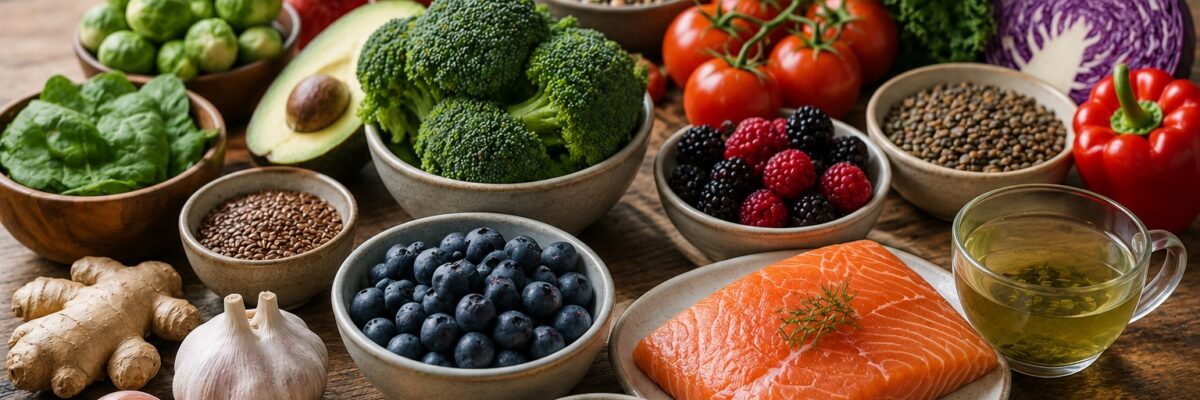
Unlocking the Power of Everyday Foods to Lower Cancer Risk
Cancer remains one of the leading causes of illness and death worldwide, with its incidence continuing to rise despite advances in medical treatment. Alongside conventional approaches, interest in natural strategies for reducing cancer risk has surged, particularly through diet. Many people seek practical, everyday ways to support their health and lower cancer risk without relying solely on medication or invasive procedures. This growing focus on nutrition reflects a broader desire to take control of personal well-being through accessible and sustainable choices.
Understanding which foods have a scientifically supported role in cancer prevention is crucial amid a landscape crowded with misinformation and fleeting health trends. Evidence-based insights offer a reliable foundation for making informed decisions about diet and lifestyle. Beyond individual benefits, adopting cancer-preventive foods can have far-reaching effects on public health by potentially lowering the burden of disease across communities. Reliable knowledge empowers people to navigate complex nutritional advice and build habits that contribute to long-term health.
The Science Behind Food and Cancer Prevention
Diet shapes cancer risk through multiple biological pathways that extend far beyond calories and weight control. Compounds in food can neutralize free radicals before they damage DNA, reduce chronic inflammation that fuels tumour growth, and influence the gut microbiome to produce metabolites that protect the lining of the colon. Certain nutrients also modulate gene expression and boost the body’s detoxification systems, altering how carcinogens are handled at the cellular level.
Researchers use several complementary methods to study these links. Large prospective cohort studies track diets and health outcomes over years to identify associations. Randomised trials test specific interventions, although long time frames and ethical constraints make such trials rare for cancer endpoints. Laboratory work and animal models reveal mechanisms and suggest which compounds merit human study.
Nutrition research faces familiar challenges. Diet is complex and often correlated with other healthy behaviours, which creates confounding. Long latency periods for cancer mean that brief studies rarely capture meaningful outcomes. Measurement errors in self reported intake and inter individual differences in metabolism add noise. Despite these hurdles, converging evidence from different study types helps build reliable recommendations.
- Observational studies: reveal population level associations but cannot prove cause.
- Clinical trials: test specific foods or compounds but are limited by duration and scope.
- Laboratory research: demonstrates biological plausibility through mechanisms.
Public health guidelines draw on this mix of evidence, favouring dietary patterns supported by consistent findings rather than isolated superfoods. That pragmatic approach guides policies on fibre intake, fruit and vegetable consumption, and limiting processed meats, providing a real world bridge between science and everyday choices.
Cruciferous Vegetables — Nature’s Cancer Fighters
Cruciferous vegetables provide a rich source of bioactive compounds that have attracted sustained scientific interest. Chemicals such as sulforaphane and indoles form when plant cells are chopped or chewed, and these molecules have been shown to stimulate detoxification enzymes, promote elimination of carcinogens, and influence cell cycle regulation. Research links higher intake of these vegetables with lower risks of cancers including colorectal, lung, and some forms of breast cancer.
Mechanistic studies explain how these effects occur. Sulforaphane activates phase II detoxification pathways and can induce apoptosis in damaged cells, while indoles affect oestrogen metabolism in ways that may reduce hormone related cancer risk. Cooking method matters; light steaming preserves the enzymes that form these compounds better than prolonged boiling.
- Common sources: broccoli, cauliflower, Brussels sprouts, kale.
- Practical note: chopping or gently steaming shortly before eating helps generate beneficial compounds.
In everyday kitchens, these vegetables are easy to add to meals. Steamer baskets, sturdy knives and vegetable storage containers help keep a rotation of fresh or frozen crucifers on hand for stir fries, soups and salads. Cultural diets that centre on vegetables naturally deliver higher amounts, showing how culinary tradition and science can align to support long term health.
Berries and Other Antioxidant Rich Fruits
Small fruits pack a concentrated mix of antioxidants and phytochemicals that defend cells from oxidative damage. Anthocyanins, ellagic acid and vitamin C are among the compounds most frequently studied for their ability to protect DNA and reduce inflammation. Epidemiological data link regular berry consumption with reduced incidence of several cancers, and mechanistic studies show how these molecules can limit tumour initiation and slow progression.
Seasonality and cost sometimes limit fresh berry intake, yet frozen and pureed forms retain much of their phytochemical content and offer a practical alternative. Smoothies, oatmeal toppings and frozen fruit mixes make it straightforward to increase intake year round, and blenders and resealable freezer bags are useful kitchen tools for this purpose.
- Top picks: blueberries, strawberries, raspberries and blackberries provide varied antioxidant profiles.
- Storage tip: frozen berries maintain most nutrients and reduce waste compared with buying fresh when out of season.
Public health messages that encourage fruit consumption tend to emphasise variety and accessibility; promoting frozen fruit in food programs and supermarkets can narrow gaps in access. For individuals, adding a portion of berries to breakfast or snacks is a concrete step that builds long term behaviour without complicated recipes.
Whole Grains and Dietary Fibre — Gut Health and Cancer Risk
Fibre from whole grains plays a central role in colorectal cancer prevention through mechanical and microbial pathways. Insoluble fibre increases stool bulk and reduces transit time, diluting potential carcinogens. Soluble fibre is fermented by gut bacteria into short chain fatty acids like butyrate, which nourish colon cells and exhibit anti tumour effects in laboratory studies.
Large prospective studies consistently associate higher intake of whole grains and total fibre with lower risk of colorectal cancer. These findings have informed dietary recommendations that favour whole grain products and limit refined carbohydrates. However, modern dietary trends toward highly processed foods have reduced average fibre intake in many populations.
- Whole grain choices: brown rice, oats, quinoa and whole grain bread provide both fibre and micronutrients.
- Practical strategies: swap refined cereals for steel cut oats or whole grain breads to add fibre without drastic lifestyle changes.
Making these swaps accessible requires attention to shopping habits and kitchen tools. Items such as a reliable rice cooker, airtight storage containers for keeping grains fresh and whole grain cereals that store well for busy mornings can support consistent consumption. Policies that expand availability of affordable whole grain products will also influence population level cancer risk over time.
Turmeric and Other Spices with Anti Cancer Properties
Spices used in traditional cuisines often contain concentrated phytochemicals with potent biological effects. Curcumin from turmeric, gingerols from ginger, and organosulfur compounds in garlic have shown anti inflammatory and anti tumour properties in laboratory models and early clinical trials. These compounds can interfere with signalling pathways involved in cell growth, survival and inflammation.
One practical challenge is bioavailability. Curcumin is poorly absorbed on its own but becomes more available in the presence of fat or black pepper. This makes culinary techniques such as cooking turmeric into curries with healthy oils or combining it with cracked black pepper a practical way to increase uptake. Ground spices, mortar and pestle sets, and spice grinders make it simple to store and use fresh spices regularly.
- Useful spices: turmeric, ginger, garlic and black pepper appear most often in experimental work.
- Cooking tip: pairing turmeric with a small amount of oil and a grind of pepper optimises absorption of active compounds.
Beyond individual compounds, the regular use of these spices in everyday cooking offers a low cost, low risk strategy for enhancing dietary variety and adding biologically active ingredients. Cultural cooking traditions that layer spices into meals provide a model for how flavour and health can be combined.
Synthesizing the Evidence — Practical Advice and Broader Implications
Scientific evidence points away from miracle foods and toward dietary patterns that include a diversity of vegetables, fruits, whole grains and spice rich cooking. A focus on whole foods rather than isolated supplements aligns with findings from cohort studies and clinical trials. Public health efforts that prioritise education and access to healthy options are essential to turn evidence into population level benefit.
Actionable steps are simple and scalable. Small changes sustained over time produce the greatest impact, particularly when they become part of daily routines. Practical tools such as a steamer basket, a good blender for frozen fruit, airtight grain storage and basic spice jars support these habits and reduce barriers to consistent consumption of protective foods.
- Easy swaps: switch refined grains for whole grain alternatives and add a serving of cruciferous greens to two meals each week.
- Kitchen supports: keep frozen berries and pre chopped vegetables on hand to make healthy choices easier when time is limited.
Addressing food access and affordability will determine how far dietary recommendations can reduce cancer disparities. Encouraging culinary skills, supporting community food initiatives and integrating evidence based guidance into clinical care will help translate research into everyday choices that reduce risk and improve health for many people.
Putting Science into Practice — Nourishing Choices for Long-Term Health
Understanding the role of food in cancer prevention invites a shift toward eating with intention, focusing on variety and balance rather than quick fixes. Integrating a range of plant based foods, whole grains and spices into daily meals nurtures multiple biological pathways that support the body’s natural defences. This approach recognises that cancer risk is influenced by complex interactions over time, so small, consistent habits matter more than occasional indulgences or isolated supplements.
Practicality is key. Preparing meals that include cruciferous vegetables, antioxidant rich fruits and whole grains can fit into diverse lifestyles and budgets. Simple kitchen tools and thoughtful shopping choices make it easier to keep these foods accessible and enjoyable. Emphasizing flavour and cultural traditions can also sustain motivation and create meaningful connections with food beyond its health benefits.
At a broader level, ensuring equitable access to nutritious foods and fostering environments that support healthy eating are essential to reducing cancer risk on a population scale. Nutrition guidance that is adaptable, affordable and culturally relevant stands the best chance of making a lasting impact. Encouraging curiosity about how everyday ingredients contribute to health empowers individuals to take manageable steps toward protecting themselves over the long term.
References and Further Reading
- National Cancer Institute – Cancer Prevention Overview
https://www.cancer.gov/about-cancer/causes-prevention - World Health Organization – Cancer: Diet and Physical Activity
https://www.who.int/news-room/fact-sheets/detail/cancer - American Institute for Cancer Research – Foods That Fight Cancer
https://www.aicr.org/cancer-prevention/food/ - Harvard T.H. Chan School of Public Health – The Nutrition Source: Cancer
https://www.hsph.harvard.edu/nutritionsource/cancer/
Recent Posts
- How Hybrid Technologies Are Shaping the Future of Sustainable Driving May 7, 2026
- Rethinking Work and Wealth: How People Are Redefining Life Beyond the 9-to-5 May 5, 2026
- Finding Balance: Reclaiming Control in a World Dominated by Screens May 4, 2026
- Keeping Your Garden Healthy: Practical Ways to Stop Unwanted Plants from Taking Over May 3, 2026
- Transforming Forgotten Discs into Everyday Treasures May 2, 2026