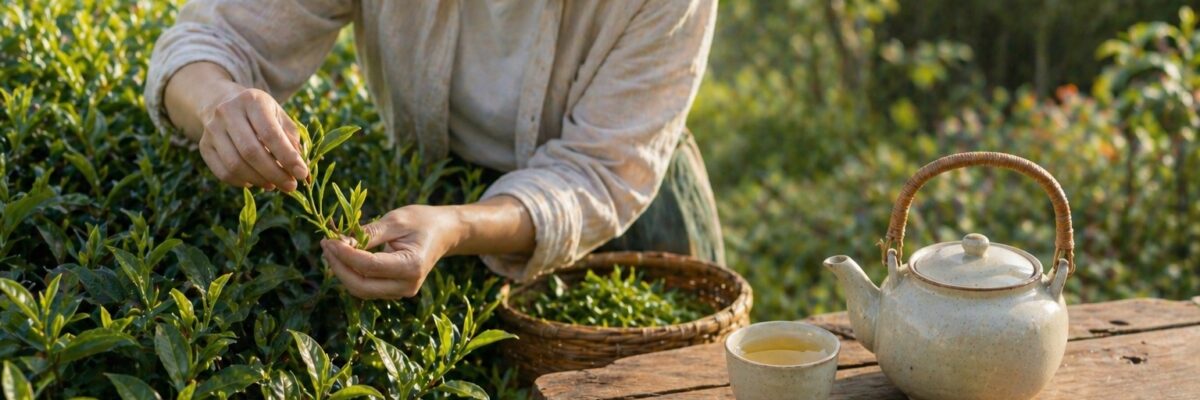
From Seed to Sip: Embracing the Art of Growing Your Own Tea
In recent years, a growing number of people have embraced home gardening as a way to reconnect with the natural world and take greater control over what they consume. Among various plants, tea has emerged as an intriguing choice for those seeking a hands-on approach to one of the world’s most beloved beverages. The simple act of cultivating tea offers a meaningful contrast to the often anonymous, mass-produced options found on store shelves, where concerns about quality, sustainability, and cost frequently arise. Growing tea at home opens the door to a more personal and rewarding experience, blending tradition, nature, and health in a way that few other plants can match.
The appeal of homegrown tea extends beyond the cup itself. It presents an opportunity to engage with a centuries-old cultural practice, fostering a deeper appreciation for the delicate balance of growing conditions and careful harvesting that define fine tea. For many, this process becomes a form of mindfulness, turning everyday gardening into a quiet ritual that nurtures patience and attentiveness. At the same time, cultivating tea plants can address practical concerns by reducing reliance on commercial products and offering fresh, pesticide-free leaves that contribute to personal well-being.
As interest in sustainable living and self-sufficiency continues to rise, growing tea at home offers an accessible and fulfilling path that bridges modern lifestyles with natural rhythms. It invites a closer look at how plants thrive, how flavours develop, and how small-scale cultivation can enrich daily routines. This connection to the source of one’s tea transforms the simple act of brewing into a celebration of growth, care, and the quiet satisfaction of harvesting something truly one’s own.
Understanding Tea Plants and Their Requirements
Camellia sinensis is the species behind true tea; two commonly cultivated varieties are Camellia sinensis var sinensis and Camellia sinensis var assamica. The first tends to be smaller with finer leaves and is associated with lighter, more delicate flavours. The second produces larger leaves and thrives in warmer, wetter climates, often contributing bold, malty characteristics. Cultivar selection shapes not only taste but also growth habit and hardiness.
Soil and climate play a decisive role in success. Tea prefers slightly acidic, well drained soil rich in organic matter. A loam or sandy loam that retains moisture without becoming waterlogged is ideal. Sunlight needs depend on variety and desired leaf character; plants grown in partial shade often develop subtler flavours, while full sun encourages faster growth and higher yield. Temperature tolerance varies, but many tea plants do best in climates with mild winters and cool, humid summers. For gardeners in cooler zones, container growing with winter protection is a practical option.
Growing in the ground versus containers changes the approach. Ground planting offers room for deeper root systems and less frequent watering, but requires suitable soil and space. Containers allow for mobility and easier frost protection and make tea cultivation feasible on patios, balconies and small urban plots. When assessing feasibility, compare local growing zones with traditional tea regions: while Assam and Yunnan have specific high rainfall and elevation conditions, many hobby growers succeed by adjusting microclimate with mulches, wind breaks and irrigation.
Key environmental checks are simple to perform and help plan the garden:
- Soil acidity and texture: test kits reveal whether amendment is needed.
- Light exposure: morning sun with afternoon shade suits many varieties.
- Drainage: raised beds or adding coarse material improves runoff.
These practical measures clarify whether to invest in in ground beds, large planters, or small indoor setups using grow lights.
Starting Your Tea Garden: Sourcing and Planting
Choosing between seeds, cuttings or young plants changes the timeline. Seeds require patience and stratification in some cases, while nursery grown seedlings or rooted cuttings give a head start. Reputable garden centres and specialised nurseries often carry tea plants or can order them; online suppliers broaden options, especially for rarer cultivars. When buying, look for vigorous root systems and healthy foliage rather than cosmetic perfection.
Planting technique matters more than exotic inputs. Timing is best in spring after the last heavy frost so roots can establish before winter. Prepare the bed by digging in generous organic matter and ensuring proper drainage. For containers, select a pot with ample volume and drainage holes and fill with a quality potting mix amended with compost. Spacing in ground depends on intended harvest frequency; leaving one to two metres between plants allows for pruning and airflow.
Beginner missteps are common but avoidable. Over watering and poor drainage cause root rot, while planting too deeply stresses young plants. Another frequent error is placing tea where hot afternoon sun or persistent wind will scorch leaves. Regularly inspect new plants for signs of stress and correct light, water or soil issues quickly.
Simple planting steps can keep the process manageable:
- Prepare soil and add compost to create a loose, nutrient rich medium.
- Set plants at the same depth they grew in their pots and water deeply.
- Mulch to conserve moisture and suppress weeds around the root zone.
These foundations set the stage for steady growth and reduce heavy maintenance in the first year.
Care and Maintenance Through the Seasons
Consistent but not excessive watering supports steady development. Young plants need deeper, less frequent watering to encourage roots to seek moisture; mature plants tolerate short dry periods but perform best with steady soil moisture. Fertilising in spring and mid summer with a balanced, slow release product supports new growth without forcing weak, sappy shoots prone to pests.
Pruning shapes plants for harvest and health. Light annual pruning encourages a bushy form and keeps pickable shoots within reach. Remove dead or crossing branches to improve airflow and reduce disease pressure. Pruning tools that are sharp and clean reduce tissue damage and disease transmission, while mulches and organic fertilisers sustain soil life and reduce reliance on synthetic inputs.
Seasonal strategies vary by climate. In cooler regions, protect roots with a thick mulch and consider moving containers indoors or into a sheltered greenhouse for winter. In hot, dry summers, use shade cloth or plant taller companions to reduce midday stress. Pest management focuses on prevention: encourage beneficial insects, avoid broad spectrum sprays and use targeted organic controls when necessary.
A practical seasonal checklist clarifies routine tasks:
- Spring: feed, prune lightly and inspect for new pest activity.
- Summer: maintain even moisture, provide shade if temperatures spike.
- Autumn: reduce feeding, apply mulch for winter protection.
Tools that make these routines easier include pruning shears for clean cuts, frost cloth for sudden cold snaps and simple drip irrigation or soaker hoses to conserve water and deliver steady moisture.
Harvesting and Processing Your Tea Leaves
Harvest timing and plucking technique determine the character of the final cup. Traditional picks are the terminal bud and the two youngest leaves for the finest quality. For more robust teas, harvest older leaves or increase frequency. The type of tea—green, black or oolong—depends less on the plant and more on how leaves are processed after picking.
Home processing is approachable with everyday equipment and a bit of patience. Basic steps include withering to reduce moisture, rolling to bruise leaf cells, oxidising where appropriate to develop flavour, and drying to lock in aroma. For green tea, minimal oxidation and quick heating stop enzymatic activity; for black tea, thorough oxidation creates darker colour and richer taste. Using a food dehydrator or an oven at low temperature gives consistent drying, while a clean countertop and simple tools are sufficient for rolling and bruising.
To get started, a short list helps beginners gather essentials without complexity:
- Large trays or clean towels for withering.
- Rolling surface such as a wooden board or a small rolling pin for leaf manipulation.
- Drying device like a food dehydrator or a low heat oven and an accurate kitchen thermometer to monitor temperatures.
Experimentation is central to developing a personal palette. Small variations in wither time, pressure during rolling and oxidation period produce noticeable shifts in aroma and taste. Home growers often discover unique profiles by combining leaves from different plants, adjusting processing steps and keeping careful notes on methods and results.
The Broader Impact: Sustainability, Health, and Connection
Growing tea at home reduces reliance on packaged goods and long transport chains. Even a few potted plants cut down on tins and plastic bags and allow control over pesticide and fertiliser use. Composting prunings and spent leaves returns nutrients to the soil, closing a local loop that benefits the garden and reduces waste sent to municipal systems.
Freshly grown, pesticide free tea leaves can offer a cleaner drinking experience compared to some commercial options. The ability to control inputs means the cup is tailored to personal health preferences. Beyond measurable benefits, tending plants and processing leaves fosters a tactile relationship with the beverage, turning a morning routine into a seasonal practice that connects to heritage and craft.
Cultural revival is visible in communities reviving traditional skills and reimagining them for modern life. From cultivating small plots in urban yards to sharing processing techniques at neighbourhood workshops, home tea growing aligns with broader trends toward mindful consumption and slow preparation. Simple items like airtight storage tins preserve flavour, while a backyard compost bin and reusable brewing filters support sustainable practices in the kitchen.
These threads—sustainability, health and cultural connection—link the act of growing tea to larger choices about lifestyle and stewardship without requiring grand gestures.
Embracing the Journey of Tea Cultivation
Cultivating tea plants invites a blend of patience, attention, and adaptation. Each stage—from selecting the right variety and nurturing seedlings to mastering harvest timing and leaf processing—offers opportunities to deepen understanding of both the plant and the environment it thrives in. This ongoing engagement encourages a hands-on connection to the natural rhythms that shape the tea’s character and quality.
Taking control over growing conditions and harvest methods not only enhances the flavour and freshness of the tea but also fosters a more mindful relationship with consumption. The ability to adjust watering, pruning, and shade reflects a responsive approach that respects the plant’s needs and local climate nuances. These small, thoughtful interventions contribute to healthier plants and a more satisfying homegrown brew.
Beyond the cup itself, growing tea at home highlights a practical path toward sustainability and personal well-being. It transforms a common daily ritual into a meaningful practice that supports environmental care, reduces waste, and promotes healthier choices. The hands-on experience also reawakens appreciation for the craft behind every sip, linking modern gardeners to a rich cultural heritage and a growing movement toward intentional living.
Ultimately, the process of growing, harvesting, and processing tea becomes more than a hobby; it is an invitation to slow down, observe, and participate in cycles of growth and renewal. This perspective enriches both the garden and the everyday moments when a simple cup of tea offers comfort, connection, and a taste of something truly homegrown.
References and Further Reading
- Food and Agriculture Organization of the United Nations – Tea Processing and Production
https://www.fao.org/3/i9480en/I9480EN.pdf - University of Florida IFAS Extension – Camellia sinensis: Tea
https://edis.ifas.ufl.edu/publication/FP033 - Plants of the World Online – Camellia sinensis (L.) Kuntze
https://powo.science.kew.org/taxon/urn:lsid:ipni.org:names:916328-1 - NC State Extension – Camellia sinensis: Tea Olive Plant Profile
https://plants.ces.ncsu.edu/plants/camellia-sinensis/
Recent Posts
- How Hybrid Technologies Are Shaping the Future of Sustainable Driving May 7, 2026
- Unlocking the Power of Everyday Foods to Lower Cancer Risk May 6, 2026
- Rethinking Work and Wealth: How People Are Redefining Life Beyond the 9-to-5 May 5, 2026
- Finding Balance: Reclaiming Control in a World Dominated by Screens May 4, 2026
- Keeping Your Garden Healthy: Practical Ways to Stop Unwanted Plants from Taking Over May 3, 2026