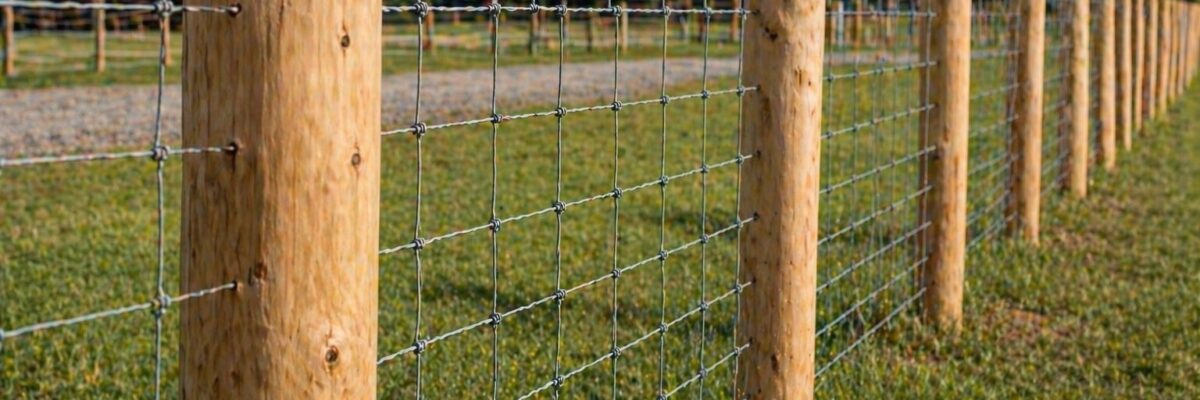
Crafting Durable and Charming Farm Fences with Cedar Posts
Across the rolling fields and open pastures of rural Canada, the cedar post fence stands as a timeless symbol of both practicality and rustic charm. Its sturdy presence not only defines property boundaries but also supports the everyday demands of farm life—whether containing livestock or marking out garden spaces. Unlike modern fencing options that may prioritize convenience over character, cedar post fences offer a blend of natural beauty and proven resilience that has earned their place on farms for generations.
Choosing the right fencing material and construction method can be a complex decision for landowners. Factors such as durability, maintenance, cost, and environmental impact all come into play, often making the process overwhelming. Cedar’s natural resistance to rot, insects, and harsh weather conditions makes it a standout choice, but building a fence that will last requires more than just selecting quality wood. Understanding the nuances of installation and upkeep is essential to protect the investment and ensure the fence performs well over time.
Learning how to build a cedar post fence equips farmers, rural homeowners, and DIY enthusiasts with the knowledge to create a structure that balances functional strength with aesthetic appeal. Beyond enhancing the look of a property, a well-constructed cedar fence offers long-term value by reducing the need for frequent repairs and replacements. This combination of durability, cost-effectiveness, and timeless style makes cedar post fencing a practical solution for those seeking to improve and protect their land.
Understanding the Role and Benefits of Cedar Post Fences
Across rural landscapes, the sight of spaced posts and horizontal rails signals more than boundary lines. These fences act as practical infrastructure, weathering seasons while shaping the character of fields and yards. On farms they serve multiple functions: guiding livestock, protecting crops, and marking property in a way that blends with the natural setting.
The appeal of cedar goes beyond appearance. Cedar heartwood contains natural oils and resins that slow decay and deter insects, giving the wood a longevity that outpaces many untreated alternatives. Cedar ages into a muted silver grey if left untreated, a look many landowners prize for its rustic authenticity. Even without paint or stain, cedar holds up to moisture cycles and fungal pressure better than plain softwoods.
Decisions about material touch on both environmental and economic concerns. Compared with treated pine, cedar often costs more up front but may require less chemical treatment and fewer replacement posts over time. Metal fencing can be durable but lacks the visual warmth and ease of field repairs that timber offers. For properties where aesthetic and habitat considerations matter, cedar frequently hits a practical balance.
- Durability: cedar resists rot and insects, extending service life.
- Appearance: natural ageing provides a stable, attractive finish.
- Repairability: damaged rails or posts are usually straightforward to replace.
Examples from working farms show cedar fences functioning for decades with modest upkeep. A dairy farm that mixes cedar posts with pressure treated rails reported reduced replacement cycles, while small acreage hobby farms favour cedar for the way it complements woodlot edges and pasture lines. Some concerns about cedar are valid, such as initial cost and the need for occasional maintenance, but those trade offs are often offset by longevity and visual value.
Planning Your Cedar Post Fence Project
Successful fencing begins long before the first hole is dug. Start by clarifying the fence purpose. Containment for cattle versus a boundary marker for a rural subdivision will drive decisions about post spacing, fence height, and the number of rails. Mapping the line on paper or with a smartphone app helps visualise curves, gate positions, and potential obstacles like waterways or utility lines.
Selecting post size depends on both function and terrain. For heavy livestock, larger diameter posts set deeper create necessary strength. For a decorative boundary, smaller posts and closer spacing can suffice. Consider rail type as well; thicker rails lend greater rigidity while round rails may be quicker to handle but behave differently under load.
- Key measurements: total length, desired height, and post spacing.
- Regulatory checks: local bylaws, setback requirements, and utility locates.
- Gates and corners: plan extra posts for load bearing at these points.
Budgeting should allow for both visible and hidden expenses. Materials make up the obvious portion, but labour, delivery charges, and waste can shift totals. Decide whether to hire a contractor or pursue a do it yourself approach; contractors bring speed and experience, while a homeowner project can save money if time and skill permit. Soil conditions influence cost too: rocky or waterlogged ground can lengthen excavation time or require specialized tools.
Practical insights from contractors often mention one common pitfall: underestimating how much extra material is needed for cuts, knots, and damaged pieces. Ordering an additional ten percent of lumber and a small buffer of concrete can prevent project delays and repeated trips to suppliers.
Tools, Materials, and Preparations Needed
Equipping a job site with the right tools sets the tone for a clean build. Essential implements include a post hole digger or auger, a spirit level or laser level, a sledge hammer or maul, and a saw suited for rough lumber. For fastening, heavy duty screws or nails and a good impact driver streamline the process. If posts are set in concrete, mixers and wheelbarrows become part of the inventory.
Sourcing cedar lumber requires attention to grade and seasoning. Look for posts with straight grain, minimal checks at the top, and sound heartwood. Some suppliers list sustainability information or forest certification; for many landowners the provenance of wood matters as much as physical characteristics. Avoid pieces with excessive sapwood if rot resistance is a priority.
- Tools to consider: post hole digger or auger, level, circular saw, impact driver.
- Materials to source: cedar posts, rails, appropriate fasteners, and concrete for setting.
Preparatory site work includes clearing vegetation along the line, marking post locations with stakes and string, and arranging safe access for vehicles. Safety kit should include gloves, eye protection, and sturdy footwear. For those working alone, mechanical aids like a post puller or temporary bracing can reduce strain and risk. Local suppliers sometimes provide delivery and cutting services that save time on site, but quality control is best handled in person to confirm dimensions and condition.
Step by Step Construction Process
Begin construction by locating and marking every post spot clearly. Maintaining consistent spacing and alignment transforms a functional fence into a lasting structure. Post spacing varies with fence type, but a range of two to three metres commonly balances cost and strength for most pasture fences. At corners and gate posts use larger diameter posts or concrete collars to resist lateral forces.
Digging holes to the correct depth is vital. A general rule is to set one third of the post length below ground, or a minimum depth that reaches frost line in colder regions. In firm soil, tamped gravel bottoms improve drainage and reduce rot risk. When using concrete, mix to a workable consistency and avoid piling it against an unsupported post that is not held plumb.
- Setting posts: check plumb in two directions and brace while concrete cures.
- Attaching rails: use staggered joints and ensure fasteners penetrate solid wood.
- Gates and corners: set with extra reinforcement and allow proper swing clearance.
Fastening techniques matter. Screws provide greater holding power and are easier to remove for repairs, while nails can be quicker for temporary applications. Countersink fasteners and consider stainless steel or hot dipped steel in coastal environments. Working on slopes requires stepping rails or cutting to follow grade; simple templates speed repetitive cuts and maintain a professional look.
Common installation issues include hitting buried rock, which may require shifting post positions, and weather delays that extend curing times for concrete. Addressing these as they arise rather than forcing progress will pay dividends in fence performance over the coming years.
Maintenance and Longevity Tips for Cedar Post Fences
Routine inspections catch small problems before they escalate. Walk the fence line seasonally to look for leaning posts, loose fasteners, or rail split. Replacing a few damaged boards early is far less costly than rebuilding a sagging stretch. Clean debris away from the base of posts and keep vegetation trimmed to allow air circulation and reduce moisture pooling.
Treatments can extend life but are not always necessary. Some owners apply a water repellent or clear wood sealer to prolong the original colour and slow surface checking. Where livestock contact is frequent, avoid surface products that could be licked and instead focus on physical repairs and replacing worn components. For deep seated rot, cutting out affected sections and splicing in new wood brings structural recovery without full replacement.
- Seasonal tasks: tighten fasteners, remove brush, and check gate hardware.
- Long term care: replace damaged posts, treat exposed end grain, and consider periodic re fastening of rails.
Environmental factors influence maintenance cycles. In wet lowland pastures expect more rapid decay and plan for more frequent post replacement. Conversely, well drained sites with regular sun exposure often show minimal deterioration for many years. Several long standing farms report fencing in cedar lasting two to three decades with attentive care, timely repairs, and selective treatment when necessary.
When repairs are needed, having spare rails and a few extra posts on hand reduces downtime and ensures that an urgent fix can be completed quickly. That readiness is one of the practical advantages of timber fencing in active agricultural settings, where response speed matters to livestock welfare and property function.
Putting It All Together: The Practical Value of Cedar Post Fences
Building and maintaining a cedar post fence is more than a construction task—it is an investment in a landscape’s function and character that pays dividends over time. The choice of cedar reflects a balance between durability, natural beauty, and the realities of rural life. Each carefully set post and securely fastened rail contributes to a barrier that must stand up to weather, animals, and the passing seasons with minimal fuss.
Understanding the nuances of planning, material selection, and installation helps avoid common pitfalls and keeps the fence performing as intended. The hands-on nature of cedar fencing invites a practical mindset: expect occasional repairs, anticipate environmental challenges, and take advantage of the wood’s inherent qualities to extend service life. This approach aligns with the rhythms of farm life where adaptability and resourcefulness are essential.
Beyond functional benefits, cedar fences carry a sense of place. Their weathered texture and natural tones connect built elements back to the land, reinforcing boundaries without disrupting the rural aesthetic. For those managing livestock or delineating property lines, the fence becomes a quiet partner in stewardship—resilient, approachable, and repairable without specialized skills or tools.
Ultimately, a cedar post fence stands as a testament to thoughtful choices that respect both practical demands and environmental context. It rewards ongoing care with reliable performance and subtle beauty, making it a lasting feature that supports the daily workings of a farm and enriches the broader landscape.
References and Further Reading
- University of Missouri Extension – Livestock Fencing Systems
https://extension.missouri.edu/publications/g1192 - USDA Natural Resources Conservation Service – Fence Conservation Practice Standard (Code 382)
https://www.nrcs.usda.gov/sites/default/files/2022-06/Fence-382.pdf - Penn State Extension – Fencing Options for Livestock Pastures
https://extension.psu.edu/fencing-options-for-livestock-pastures - University of Kentucky Cooperative Extension Service – Horse Fencing
https://afs.ca.uky.edu/files/horse_fencing.pdf
Recent Posts
- How Hybrid Technologies Are Shaping the Future of Sustainable Driving May 7, 2026
- Unlocking the Power of Everyday Foods to Lower Cancer Risk May 6, 2026
- Rethinking Work and Wealth: How People Are Redefining Life Beyond the 9-to-5 May 5, 2026
- Finding Balance: Reclaiming Control in a World Dominated by Screens May 4, 2026
- Keeping Your Garden Healthy: Practical Ways to Stop Unwanted Plants from Taking Over May 3, 2026