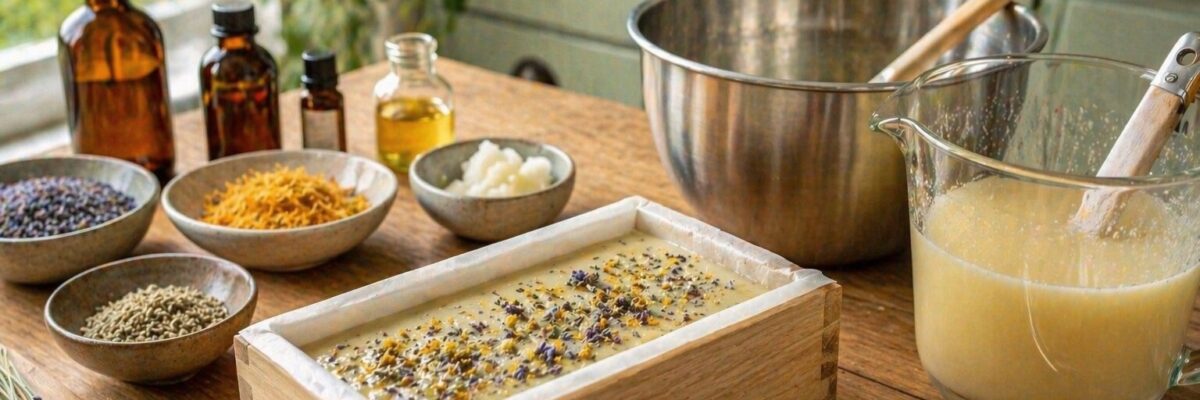
Discover the Art and Science Behind Crafting Your Own Natural Soap
In recent years, there has been a notable shift toward homemade, artisanal, and natural products, reflecting a growing awareness about health and environmental impact. Soap, a daily essential, is no exception. Many consumers have become increasingly cautious about the ingredients in commercial soaps, often frustrated by harsh chemicals, skin irritations, or the excessive packaging that contributes to environmental waste. Alongside these concerns, the cost of high-quality, natural soaps can be discouraging, and the lack of options tailored to individual preferences leaves some feeling disconnected from what they use every day.
This rising interest in soap making is more than a trend; it represents a practical and empowering choice. Learning the basics of soap making offers the chance to create personal care products that align with specific health needs, values, and aesthetics. It opens the door to reducing environmental footprints by cutting down on waste and avoiding synthetic additives. Beyond just saving money, the process invites a deeper appreciation for the ingredients and craft behind a simple bar of soap, transforming a routine item into a meaningful, hands-on project that combines creativity with science.
Discovering how to make soap from scratch reveals an accessible craft that anyone can explore with the right guidance and respect for safety. The satisfaction of turning a few basic ingredients into a fragrant, nourishing bar is both practical and rewarding. This balance of simplicity and skill encourages a connection to tradition and mindfulness that resonates with many seeking a more intentional lifestyle.
Understanding the Basics of Soap Making
At its simplest, soap is the product of a chemical reaction called saponification, where a fat or oil reacts with a caustic alkali to form soap and glycerin. That stoic equation—fat plus lye yields soap plus glycerin—frames everything that follows. Knowing this chemistry removes mystique and helps make sensible choices about ingredients and safety.
There are two approachable routes into soap making. Cold process produces soap from scratch by combining oils and a lye solution, then allowing the mixture to saponify and cure. Melt and pour uses a pre made soap base that melts easily, accepts colour and fragrance, and remoulds without handling lye directly. Cold process requires more equipment, stricter temperature control and patience during curing, while melt and pour is faster and friendlier for beginners or classrooms.
Essential inputs remain the same in either method: fats or oils, an alkali (sodium hydroxide for solid bar soap), and water or another liquid. Additives such as essential oils, botanical infusions, natural clays and exfoliants are optional but popular. Safety cannot be overlooked: lye is corrosive and generates heat when dissolved, so dressing for protection and working in a ventilated, uncluttered space is critical.
- Core ingredients: fats or oils, sodium hydroxide, water or infusion
- Common safety items: chemical resistant gloves, eye protection, long sleeves
- Helpful tools: digital scale, heat resistant mixing jugs, stainless steel spoons
Using specific tools makes the process safer and more consistent. A digital scale ensures correct ratios, a heat resistant jug avoids reactions with lye, and chemical resistant gloves and goggles reduce risk of burns. When handled with respect, lye allows for dependable results rather than unpredictable outcomes. The recent revival of traditional crafts has encouraged many to learn the simple chemistry behind an everyday product, making soap making both accessible and educational.
The Step by Step Process of Making Soap (Cold Process Focus)
Creating soap by the cold process moves through a predictable sequence that rewards attention to detail. Begin by weighing oils and the lye and water separately, dissolve the lye into the liquid with care, then heat and combine the oils until they reach a similar temperature. When the lye solution and oils are roughly the same temperature, mix them, and stir until the blend reaches trace, the stage where the mixture leaves a faint line on the surface.
After trace, fragrances, clays or exfoliants are incorporated and the batter is poured into moulds. From there, a period of saponification continues inside the mould before the unmoulded bars are cut and left to cure. Curing, often four to six weeks, allows excess water to evaporate and the soap to harden and mellow. Patience during curing affects final hardness and mildness.
- Essential steps: measuring, lye dissolution, oil heating, mixing to trace, moulding, curing
- Key equipment: stick blender for faster trace, silicone or wooden moulds, kitchen thermometer
Critical control points can make or break a batch. Accurate measurement of lye and oils is non negotiable because even small deviations will change the chemical balance. Temperature matters; if the lye solution and oils are too far apart, the mixture can separate or seize. Using a stick blender shortens stirring time and produces an even trace, but overblending can cause accelerated saponification and a crumbly texture.
Common beginner pitfalls include adding lye to water incorrectly, relying on volume measurements instead of weight, and rushing the cure. Avoid these by preparing a clean workspace, using a reliable digital scale, wearing protective gear, and following a tested recipe or online saponification calculator. There is a quiet, almost meditative rhythm to measuring, mixing and waiting—tasks that reward methodical attention and offer creative satisfaction during pours and design work.
Customizing Your Soap: Ingredients, Scents, and Benefits
Different fats and oils produce distinct soap characteristics. Olive oil typically yields a gentle, conditioning bar with low lather. Coconut oil increases lather and cleansing power while contributing hardness. Hard but creamy bars often contain a mix that includes butters such as shea or cocoa for extra moisturising properties. Palm oil has traditionally been used for hardness and stable lather, though ethical sourcing is a consideration for many makers.
- Oils and effects: olive for conditioning, coconut for lather, shea for moisturising
- Butters and additives: shea or cocoa butter for creaminess, clays for colour and mild oil absorption
Additives map closely to desired skin benefits and visual appeal. Natural clays provide colour and subtle mineral benefits, finely ground oats soothe sensitive skin, and botanical infusions can introduce gentle fragrances and antioxidants. Essential oils offer natural fragrance and potential aromatherapeutic effects, but potency and skin sensitivity require conservative usage and patch testing. Synthetic fragrance oils allow a wider scent palette and greater stability but may irritate reactive skin.
Two short lists help clarify choices when customising a recipe. First, a selection of texture and exfoliant options: ground oat for gentle polishing, poppy seeds or coffee grounds for stronger scrub, and activated charcoal for oil balancing and colour contrast. Second, scent carriers and considerations: essential oils for natural aromatics, fragrance oils for longevity, and natural absolutes for rounded character; always account for maximum usage rates and heat sensitivity.
Where consumer demand leans is telling. Many shoppers favour cruelty free, naturally derived ingredients and transparent sourcing. Home crafted soap allows control over ingredients and the ability to avoid common irritants, making it straightforward to tailor bars for personal skin needs or to create vegan and eco friendly offerings that resonate with conscious buyers.
Environmental and Economic Impacts of Making Soap at Home
Making soap at home can reduce single use packaging and the environmental costs of mass manufacturing. By buying oils and additives in bulk and packaging bars in compostable wraps or recyclable paper, homemade soap decreases household waste. Choosing locally sourced oils or suppliers that sell in concentrated quantities also trims the carbon footprint tied to long supply chains.
- Environmental benefits: less plastic waste, control over sustainable ingredient choices, reduced shipping impact
- Economic considerations: initial equipment outlay, per batch cost savings over time, value in bulk purchasing
The economics are nuanced. There is an initial investment in equipment such as a reliable digital scale, mixing tools and moulds. Over time, however, producing soap in batches can be cost effective, especially when utilising commonly used oils bought in larger containers. Upfront costs also enable experimentation with higher quality or specialty ingredients that store bought bars may not contain.
Local sourcing supports small producers and stimulates micro economies. Purchasing unrefined butters or locally milled botanicals connects makers to regional suppliers and reduces transportation emissions. For those contemplating turning a hobby into a micro business, minimal packaging, clear ingredient lists and small batch provenance form a strong market advantage among consumers seeking authenticity.
Beyond finances, soap making fits into broader lifestyle choices oriented toward sustainability and mindful consumption. The act of producing a usable, lasting object from basic ingredients encourages repairable habits and a slower rhythm in daily routines, and that behavioural shift can ripple through other household decisions and purchasing behaviour.
Bringing It All Together: The Value of Home Soap Making
Making soap at home blends a practical craft with a tangible connection to everyday essentials. It invites a thoughtful approach to ingredients, safety, and process that demystifies what is often taken for granted on store shelves. Beyond the satisfying rhythm of measuring and mixing, the practice fosters a deeper appreciation for the chemistry and care behind a simple bar.
The flexibility to select oils, scents, and additives allows for personalisation that supports specific skin needs and preferences. This control also opens the door to more sustainable choices, reducing reliance on mass-produced products and excess packaging. Engaging with soap making in this way aligns with broader values around mindful consumption and environmental responsibility.
While the initial setup demands some investment of time and resources, the skills gained offer lasting rewards. Attention to detail and respect for the materials involved contribute to consistent, high quality results. The process encourages patience and creativity, transforming a basic household item into a meaningful expression of care and craftsmanship.
Ultimately, home soap making is more than a hobby—it is a small but significant step toward greater self-sufficiency and intentional living. Each batch embodies a balance of science, artistry, and sustainability, reinforcing why this age-old craft continues to resonate in modern households.
References and Further Reading
- U.S. Food and Drug Administration – Is It a Cosmetic, a Drug, or Both? (Or Is It Soap?)
https://www.fda.gov/cosmetics/cosmetic-laws-regulations/is-it-a-cosmetic-a-drug-or-both-or-is-it-soap - National Institute for Occupational Safety and Health (NIOSH) – Sodium Hydroxide (Lye) Safety Information
https://www.cdc.gov/niosh/npg/npgd0565.html - Soap Queen – Beginner’s Guide to Cold Process Soapmaking
https://www.soapqueen.com/bath-and-body-tutorials/cold-process-soap/free-beginners-guide-to-soapmaking-cold-process/ - The Spruce Crafts – How to Make Cold Process Soap
https://www.thesprucecrafts.com/cold-process-soap-recipes-517015
Recent Posts
- How Hybrid Technologies Are Shaping the Future of Sustainable Driving May 7, 2026
- Unlocking the Power of Everyday Foods to Lower Cancer Risk May 6, 2026
- Rethinking Work and Wealth: How People Are Redefining Life Beyond the 9-to-5 May 5, 2026
- Finding Balance: Reclaiming Control in a World Dominated by Screens May 4, 2026
- Keeping Your Garden Healthy: Practical Ways to Stop Unwanted Plants from Taking Over May 3, 2026