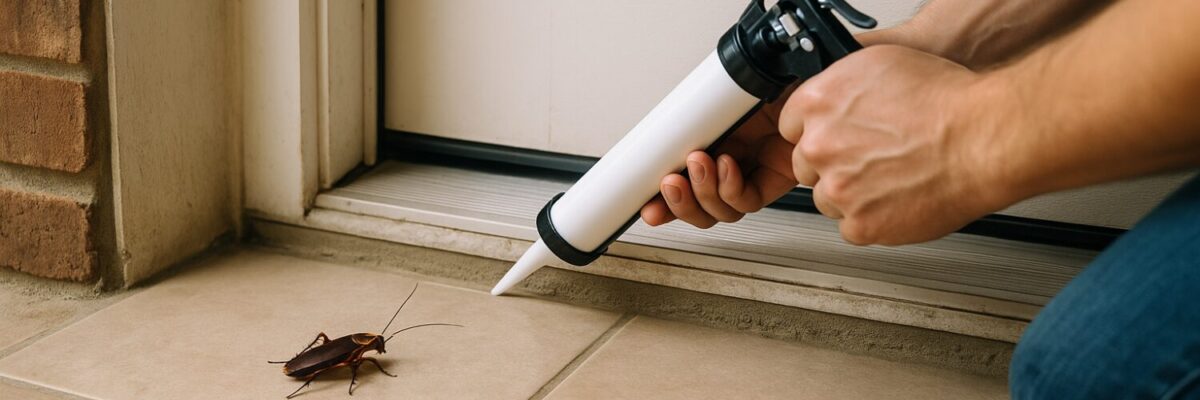
Effective Strategies to Prevent Insects from Entering Your Home
Insects invading living spaces can disrupt daily comfort and pose health concerns. As seasons change, the likelihood of bugs making their way indoors increases, creating a need for reliable methods to keep them at bay. Understanding the best practices for sealing entry points and managing indoor environments plays a key role in maintaining a pest-free home.
Securing Entry Points Through Proper Sealing
Many bugs gain access through gaps around doors and windows. Ensuring these openings are tightly sealed is essential. Weatherstripping kits designed for doors and windows provide a flexible barrier that closes off small cracks without hindering functionality. Applying exterior sealant with a caulking gun to any visible gaps in siding, trim, or foundation further reduces potential entryways.
Door sweeps and draft blockers installed at the bottom of exterior doors create a physical block against crawling insects. Maintaining screens on windows and doors is equally important; damaged screens can be repaired using screen repair tape to restore their effectiveness. Regular inspections during seasonal transitions help identify areas needing attention before insect activity increases.
Utilizing Physical Barriers and Traps Indoors
Once inside, insects often seek food and shelter. Using airtight food storage containers and pantry bins limits access to edible attractants, reducing indoor infestations. Sticky insect traps and glue boards placed near common entry points or problem areas provide a passive control method, capturing insects and helping monitor their presence.
Implementing mosquito netting on patios, doors, and windows adds an additional layer of defense, especially in warmer months when flying insects are more active. Selecting LED bug-repellent light bulbs for outdoor and entryway lighting can minimize attraction to the home during evening hours, lowering the chances of insects entering when lights are on.
Managing Outdoor Perimeters to Reduce Insect Pressure
Insects often congregate near the house exterior before finding ways inside. Applying outdoor perimeter insecticide sprays using a pump sprayer targets these zones, creating a protective barrier. It is important to use treatments labeled for residential use and to follow instructions carefully to avoid environmental harm.
Diatomaceous earth, a natural powder safe for use around people and pets, can be applied along foundations and other exterior surfaces. Its abrasive properties deter crawling insects by compromising their exoskeletons, reducing populations before they enter the home.
Practical Tips for Ongoing Maintenance and Prevention
- Regularly inspect and maintain door and window seals to prevent wear and gaps.
- Keep outdoor lighting away from doorways or switch to bug-repellent LEDs to minimize attraction.
- Store food in sealed containers and promptly clean up crumbs or spills.
- Use sticky traps indoors to detect early infestations and act accordingly.
- Apply perimeter treatments seasonally, focusing on vulnerable areas such as foundations and landscaping edges.
Adopting these strategies collectively reduces the likelihood of insect infiltration and creates a more comfortable living environment. Consistent attention to sealing, monitoring, and treating both the interior and exterior of the home builds an effective defense that can adapt to changing conditions and insect behaviors.
References and Further Reading
- Centers for Disease Control and Prevention – Mosquito Control
https://www.cdc.gov/mosquitoes/mosquito-control/index.html
Recent Posts
- How Hybrid Technologies Are Shaping the Future of Sustainable Driving May 7, 2026
- Unlocking the Power of Everyday Foods to Lower Cancer Risk May 6, 2026
- Rethinking Work and Wealth: How People Are Redefining Life Beyond the 9-to-5 May 5, 2026
- Finding Balance: Reclaiming Control in a World Dominated by Screens May 4, 2026
- Keeping Your Garden Healthy: Practical Ways to Stop Unwanted Plants from Taking Over May 3, 2026