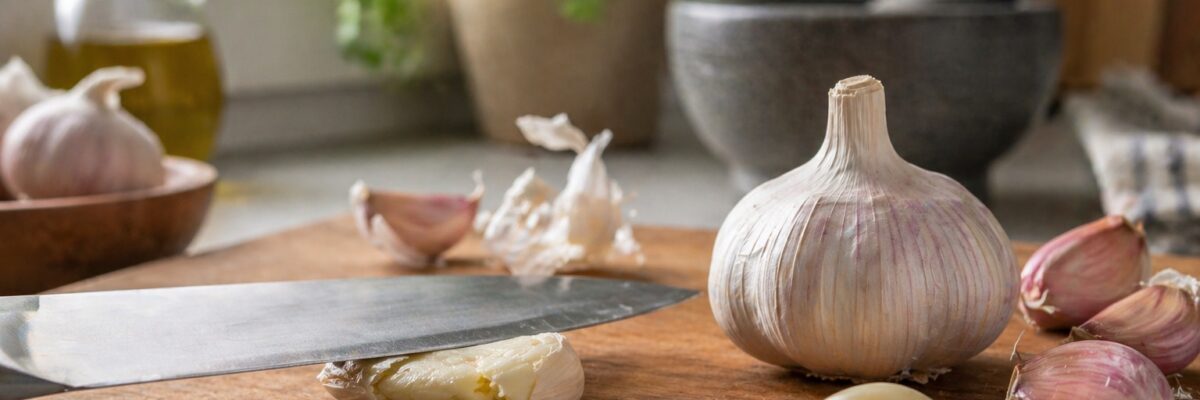
Unlocking Garlic’s Unexpected Powers in Health, Home, and Culture
Garlic is often seen simply as a kitchen staple—an aromatic bulb that adds flavour to countless dishes. Yet, beyond its strong scent and culinary reputation, garlic holds a remarkable versatility that many overlook. Its presence in kitchens around the world spans millennia, not only as a flavour enhancer but as a powerful element woven into cultural traditions and natural remedies. This rich history hints at a deeper potential that extends far beyond the dinner plate.
Discovering the unexpected uses of garlic can open doors to practical benefits in everyday life. From boosting health and supporting wellness to solving common household challenges and even enhancing personal care routines, garlic offers accessible solutions grounded in tradition and backed by science. Engaging with these lesser-known applications reveals how a single ingredient can quietly influence well-being, sustainability, and cultural connection in surprising ways. Exploring garlic’s multifaceted role encourages a fresh appreciation for this humble bulb and its ability to improve daily living naturally and effectively.
Garlic as a Natural Health Booster
Long before modern supplements, bulbs of garlic were prescribed across continents for what today would be called immune support and cardiovascular health. The active compound often credited with these effects is allicin, which forms when garlic is crushed and has been studied for its antimicrobial activity and potential to influence blood pressure and cholesterol. Clinical trials suggest regular garlic intake can lead to modest reductions in systolic blood pressure and improvements in cholesterol profiles, while laboratory work supports its role against a range of bacteria and fungi.
Translating those findings into everyday habits requires attention to form and dose, because raw garlic, cooked cloves, oil and aged extracts do not behave the same. Allicin is unstable and degrades with heat, so crushed raw garlic gives the most immediate allicin exposure, while aged garlic extract provides more stable sulfur compounds that appear in many supplements. Anyone taking blood thinning medication or preparing for surgery should consult a health professional before adding concentrated garlic supplements.
Simple, practical ways to make garlic part of a wellness routine include culinary and supplemental approaches. Consider this short list of common formats and what they offer:
- Raw crushed garlic: quick source of allicin but strong on breath and stomachs.
- Cooked garlic: gentler flavour and still supports general health through other compounds.
- Garlic supplements: aged extracts or enteric coated tablets for consistent dosing without strong odour.
Beyond swallowing pills, garlic can be integrated through teas, vinaigrettes and overnight infusions in oil for topical use. Tools such as a good garlic press or a jar for making infused oil make these routines easier to maintain. A measured, consistent approach tends to produce the best balance between benefit and tolerability, and tracking how the body responds over several weeks will indicate whether to increase, reduce or stop use.
Garlic in Household and Garden Uses
Garlic’s natural chemistry does more than flavour food; it offers practical properties for the home and garden. The same compounds that deter microbes and pests in the lab can be turned into homemade sprays and treatments that reduce reliance on synthetic chemicals. Gardeners use garlic to discourage aphids, deer and some insects, while householders have long turned to cloves for odour control and mild mould inhibition.
Practical preparations are straightforward and scalable for small yards or apartment balconies. A common approach is to make a simple spray by blending garlic with water and a small amount of mild soap, straining the mixture and applying it to affected plants. For indoor odour problems, placing whole cloves or a bowl of crushed garlic near the source can neutralize smells over time without harsh chemicals. Caution is necessary around pets and young children; concentrated sprays should be kept away from skin and eyes.
Here are typical household and garden uses that illustrate how to apply garlic safely and effectively:
- Garden spray for pests: diluted crushed garlic with water and soap, applied every few days.
- Companion planting: bulbs planted near roses and tomatoes to reduce certain insects.
- Deodorizing jars and fridges: a peeled clove placed in a shallow dish will absorb and mask odours.
Equipment such as a fine mesh strainer, spray bottle and protective gloves make these tasks easier. Attention to concentration and timing helps prevent damage to desirable plants and reduces harm to pollinators—apply stronger mixes in the evening and avoid spraying open flowers. For mould control on non porous surfaces, a mild garlic infusion can complement cleaning routines, but do not substitute it for proven treatments on extensive mould infestations.
Garlic in Beauty and Personal Care
Within beauty circles, garlic has a curious reputation: a potent antimicrobial agent that might help scalp health and minor skin issues when used carefully. Some people report fewer dandruff flares and improved hair strength after applying diluted garlic preparations to the scalp, and topical garlic formulae have been used traditionally to address small infected lesions because of the bulb’s antibacterial properties.
Because allicin and other sulphur compounds can irritate sensitive skin, dilution and testing are essential. A patch test on a small area of forearm and waiting 24 hours will reveal most immediate reactions. For scalp work, garlic mixed into a carrier oil or added in small amounts to a mild shampoo reduces direct exposure while allowing potential benefits. For acne prone skin, very dilute applications can be tried briefly, but they should never replace medical treatment for moderate to severe acne.
Three safe ways to experiment with garlic in personal care without excessive risk:
- Diluted oil infusion: crush a clove and steep in a neutral carrier oil for topical scalp application after patch testing.
- Shampoo boost: add a tiny amount of garlic infusion to a mild shampoo to treat occasional dandruff.
- Short contact treatment: apply a well diluted garlic solution to a blemish for a few minutes only, then rinse thoroughly.
Tools such as a small glass jar for infusions, a scalp massager and gentle sulphate free shampoos can support experimentation while reducing irritation. Evidence for hair growth stimulation is mostly anecdotal and small scale, so expect variable results; treating garlic as one tool among several in a skin or hair care plan will reduce the chance of adverse effects.
Cultural and Culinary Surprises Beyond Flavour
Garlic has played roles far beyond the kitchen table in many societies, symbolizing protection, strength and health in folk traditions from Eastern Europe to East Asia. Households once hung bulks of garlic at doorways for protective symbolism and used cloves in ritual cleansings. Those practices demonstrate how an everyday ingredient can acquire layered meanings that shape festival foods, remedies and social rituals.
On the culinary front, garlic continues to surprise. Black garlic, created by a slow fermentation process, transforms sharp sulphur notes into soft sweet caramel and molasses like flavours that fit with desserts, cheese boards and sophisticated sauces. Elsewhere, whole roasted garlic is mashed into creamy spreads or paired with honey for a sweet savoury counterpoint. Experimental chefs also use garlic syrup or confit in unexpected contexts, such as drizzled over fruit or mixed into chocolate ganache at tasting events.
Unusual ways to explore garlic in cooking include tried and true techniques that alter texture and intensity:
- Roasting: softens and sweetens cloves, turning them into a spreadable addition to toast.
- Fermentation: black garlic develops complex sweet notes useful in dressings and desserts.
- Confit and syrup: slow cooked garlic in oil or sugar for novel sauces and glazes.
For readers curious to sample these traditions, a small food fermenting kit or a slow cooker provides control over temperature and timing and keeps results consistent. Approaching garlic with curiosity opens pathways to cultural appreciation and palate expansion without the expectation that it must always be used as a simple savoury seasoning.
Synthesizing Garlic’s Multifaceted Impact
Across health, home, beauty and culture, garlic emerges as a workforce ingredient rather than a one note condiment. Its biological activity explains both the remedies from traditional medicine and the contemporary interest in garlic supplements and DIY household uses. The practical value lies in accessible application: a few cloves, basic equipment and a willingness to test small preparations can integrate garlic into daily life without grand expense.
Practical cautions should shape any experiment: allergic reactions occur, strong odour requires planning to manage social situations, and concentrated preparations can interact with medications. Simple strategies reduce these risks—use dilution, perform patch tests, store infused oils properly and consult a health professional when combining garlic supplements with prescription drugs.
Try one small, concrete experiment this month to see how garlic can be useful beyond the dinner plate—make a roasted garlic paste for toast, create a gentle garden spray for a single bed of plants, or infuse an oil for a scalp treatment while tracking results over a few weeks. Observing real changes will make it easier to decide whether garlic belongs in the routine, not as a cure all but as a versatile, everyday tool.
Embracing Garlic as a Multifunctional Ally
Garlic’s appeal lies in its ability to bridge diverse aspects of daily life—from health and beauty to gardening and culture—without demanding complicated routines or costly ingredients. Its versatility encourages a mindset of experimentation, inviting individuals to observe how subtle shifts in preparation and use can yield noticeable effects. This practical openness transforms garlic from a simple kitchen staple into a personalized resource, adaptable to specific needs and environments.
Recognizing garlic’s strengths alongside its limitations helps maintain balance. The same compounds responsible for its benefits can also cause irritation or interact with medications, underscoring the importance of thoughtful application. Whether using a mild garlic spray on plants, a diluted infusion for scalp care, or incorporating fermented garlic into recipes, attention to dosage and context protects wellbeing while maximising outcomes.
Moving forward, the value in garlic resides in its approachable experimentation—trying one new method at a time, monitoring response, and adjusting accordingly. This measured approach respects both traditional wisdom and modern science, making garlic a quietly powerful tool that supports everyday health, home maintenance and sensory enjoyment without fuss. With basic tools and a willingness to explore, garlic invites an ongoing relationship that can enrich routines in small but meaningful ways.
References and Further Reading
- National Center for Complementary and Integrative Health (NCCIH) – Garlic
https://www.nccih.nih.gov/health/garlic - World Health Organization – WHO Monographs on Selected Medicinal Plants: Bulbus Allii Sativi
https://apps.who.int/iris/handle/10665/42052 - Linus Pauling Institute at Oregon State University – Garlic and Organosulfur Compounds
https://lpi.oregonstate.edu/mic/food-beverages/garlic - University of California Statewide IPM Program – Pest Management Guidelines: Organic and Natural Controls
https://ipm.ucanr.edu/PMG/menu.homegarden.html
Recent Posts
- How Hybrid Technologies Are Shaping the Future of Sustainable Driving May 7, 2026
- Unlocking the Power of Everyday Foods to Lower Cancer Risk May 6, 2026
- Rethinking Work and Wealth: How People Are Redefining Life Beyond the 9-to-5 May 5, 2026
- Finding Balance: Reclaiming Control in a World Dominated by Screens May 4, 2026
- Keeping Your Garden Healthy: Practical Ways to Stop Unwanted Plants from Taking Over May 3, 2026