
How to Add Flavor to Your Kombucha That Makes it Worth Drinking
A first batch of kombucha often lands somewhere between exciting and slightly disappointing. It fizzes a bit. It smells tangy. It feels like a small success sitting on the counter. Then the first sip happens and the reality sets in. It tastes flat, sharp, and not quite like the bottles from the store.
That gap is where most people either lose interest or start experimenting. The base brew is only the beginning. What makes kombucha feel finished, something worth pouring into a glass instead of tolerating, happens during the second fermentation.
That is where flavour develops, carbonation builds, and the drink begins to feel alive.
Understanding What Second Fermentation Actually Does
The first fermentation creates the foundation. Tea, sugar, and the culture work together to produce acids, a bit of carbonation, and the characteristic tang. At this stage, the flavour is usually one dimensional.
Second fermentation changes the direction entirely. Bottling the kombucha with added ingredients introduces new sugars and compounds. The remaining yeast feeds on these, producing carbon dioxide that gets trapped in the sealed bottle. That is where the fizz comes from.
The added ingredients also infuse the liquid with aroma and complexity. Fruit brings sweetness and body. Herbs add freshness. Spices create warmth or bite. Even small amounts can shift the balance from sharp to refreshing.
A few basic principles help avoid frustration during this stage:
- Use airtight bottles that can handle pressure
- Leave some headspace at the top of the bottle
- Keep the bottles at room temperature for one to three days
- Refrigerate once the desired carbonation is reached
Burping bottles once a day can help release excess pressure, especially in warmer rooms where fermentation speeds up.
Idea #1 – Ginger Adds Heat and Brightness
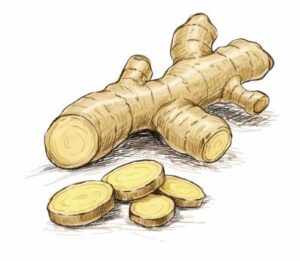
Ginger is often the first ingredient people try, and it usually works on the first attempt. It brings a clean heat that cuts through the acidity of the kombucha and makes the drink feel more refreshing.
Fresh ginger is far more effective than powdered. The natural sugars and active compounds help boost fermentation and carbonation.
To use ginger:
- Grate or finely chop fresh ginger
- Add one to two teaspoons per bottle
- Optionally add a small amount of sugar or honey to boost fizz
- Let sit for one to three days before refrigerating
The longer it sits, the more intense the spice becomes. It can go from subtle warmth to something that feels closer to a ginger beer.
A common mistake is adding too much. Ginger can easily overpower everything else, especially in smaller bottles.
Idea #2 – Berries Create a Soft, Rounded Flavor
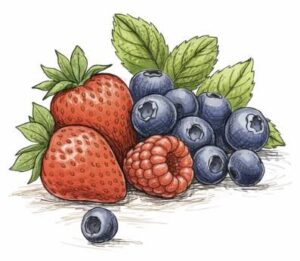
Berries change the character of kombucha quickly. They soften the acidity and add a natural sweetness that makes the drink feel more balanced. The color shift alone often makes it more appealing.
Fresh or frozen berries both work well. Freezing actually helps break down the fruit, releasing more juice into the liquid.
A simple approach:
- Lightly mash the berries before adding
- Use one to two tablespoons per bottle
- Strain after fermentation if a clear drink is preferred
Strawberries produce a mild sweetness. Blueberries add depth and color. Raspberries bring a slight tartness that pairs well with the kombucha base.
Leaving the fruit in the bottle longer can lead to a richer flavor, but it can also make the drink more pulpy. Straining before drinking keeps the texture cleaner.
Idea #3 – Citrus Keeps It Crisp and Clean
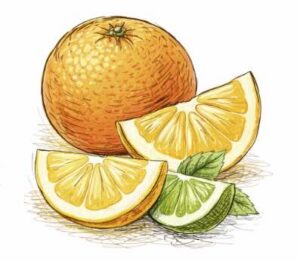
Citrus does not add much sugar, but it brings brightness and sharpness that can make a batch feel lighter. It works well when the kombucha already has enough sweetness.
Lemon and lime are the most common choices. Orange can work too, though it tends to be softer and less sharp.
For citrus:
- Add a few slices or a squeeze of juice
- Avoid adding too much peel, as it can introduce bitterness
- Combine with a sweeter ingredient if more carbonation is desired
Because citrus does not feed the yeast as much as fruit, carbonation can be lower unless a bit of sugar or juice is added.
This method is often used to correct a batch that feels too heavy or overly sweet.
Idea #4 – Apples and Pears Add Subtle Sweetness
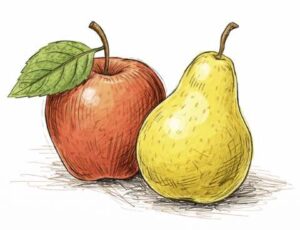
Apples and pears bring a gentle sweetness that feels closer to juice than soda. They are less intense than berries and tend to create a smoother, more rounded drink.
They also contain enough natural sugar to support good carbonation.
To use them:
- Chop into small pieces or use juice
- Add about a quarter cup per bottle
- Let ferment for two to three days
Apple works well with cinnamon or ginger. Pear pairs nicely with light herbs like mint.
The flavor builds slowly, so it may take a bit longer to fully develop compared to berries.
Idea #5 – Herbs Make It Feel Fresh and Unexpected
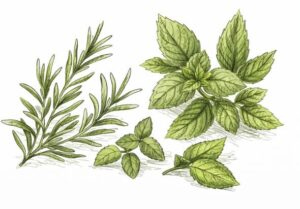
Fresh herbs can completely shift the feel of kombucha. Instead of tasting like a fruit drink, it starts to feel more like something crafted.
Mint, basil, and rosemary are common starting points.
A light touch is important:
- Add a small sprig or a few leaves
- Gently bruise the leaves to release oils
- Combine with fruit for better balance
Mint with lime creates a clean, refreshing drink. Basil with berries adds complexity. Rosemary with apple can feel almost savory.
Too many herbs can quickly dominate the flavour, so starting small is usually better.
Idea #6 – Hibiscus and Tea Infusions Add Depth and Color
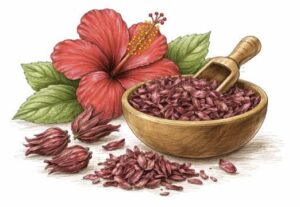
Using additional teas or dried flowers during second fermentation introduces deeper, more layered flavors.
Hibiscus is especially popular. It adds a tart, cranberry like flavour and a deep red color that looks striking in a glass.
To use hibiscus or tea:
- Brew a small amount of strong tea or infusion
- Let it cool completely
- Add a few tablespoons to each bottle
This approach works well for people who prefer less fruit and a more complex, tea forward profile.
It can also be combined with fruit to create layered flavors, such as hibiscus and raspberry or green tea and citrus.
Managing Pressure and Avoiding Explosions
Second fermentation can be unpredictable at first. Some bottles stay flat while others build a surprising amount of pressure.
Temperature plays a big role. Warmer rooms speed up fermentation and increase carbonation. More sugar also leads to more gas production.
A few habits reduce the risk of accidents:
- Use thick glass bottles designed for pressure
- Check bottles daily during active fermentation
- Refrigerate as soon as carbonation feels right
- Open bottles slowly over a sink
Fruit heavy batches tend to carbonate faster. Citrus only batches tend to be slower.
Learning to read the feel of a bottle takes a few rounds, but it becomes intuitive over time.
Combining Flavours for More Interesting Results
Single ingredient batches are a good starting point, but combining ingredients opens up far more possibilities. Small adjustments can make a big difference.
A few combinations that tend to work well:
- Ginger and lemon for a sharp, refreshing profile
- Strawberry and basil for something softer and aromatic
- Apple and cinnamon for a warmer, familiar flavour
- Blueberry and mint for a deeper, cooler taste
The key is balance. One ingredient usually acts as the base, while the other adds contrast.
It helps to keep notes. Even simple combinations can be difficult to reproduce if the exact amounts are forgotten.
When Flavouring Becomes Part of the Routine
After a few batches, the process starts to feel less like a recipe and more like a habit. A small amount of leftover fruit becomes an opportunity instead of waste. Herbs from the garden end up in bottles instead of being ignored.
This is where kombucha becomes flexible. It adapts to what is available and what tastes good at the time. Some batches will be better than others, but each one teaches something about how ingredients behave.
Over time, it becomes easier to adjust without measuring. A sharper batch gets softened with fruit. A flat one gets a bit more sugar and time. A strong flavour gets diluted in the next round.
The drink slowly moves from experimental to reliable, even though the process stays a little unpredictable.
References and Further Reading
- National Center for Home Food Preservation – Fermentation Basics
https://nchfp.uga.edu/how/ferment.html - Centers for Disease Control and Prevention – Kombucha Tea and Safety
https://www.cdc.gov/foodsafety/kombucha-tea.html - Harvard T H Chan School of Public Health – Fermented Foods and Health
https://www.hsph.harvard.edu/nutritionsource/food-features/fermented-foods/
Recent Posts
- How Hybrid Technologies Are Shaping the Future of Sustainable Driving May 7, 2026
- Unlocking the Power of Everyday Foods to Lower Cancer Risk May 6, 2026
- Rethinking Work and Wealth: How People Are Redefining Life Beyond the 9-to-5 May 5, 2026
- Finding Balance: Reclaiming Control in a World Dominated by Screens May 4, 2026
- Keeping Your Garden Healthy: Practical Ways to Stop Unwanted Plants from Taking Over May 3, 2026